5 Water-Smart Landscaping Upgrades for Austin Homes: Preparing for Spring 2026 Amid Ongoing Droughts

As Austinites gear up for Spring 2026, the city's environmental challenges are front and center. Central Texas is grappling with intensifying drought conditions, with the U.S. Drought Monitor reporting extreme drought (D3) along the I-35 corridor and coastal plains as of January 2026, covering over 54% of South Central Texas. This dry spell, exacerbated by warmer-than-normal temperatures forecast for March-May, could see highs averaging 75-77°F in April, with little relief from precipitation. Austin's soils add another layer: West of I-35 in the Edwards Plateau, you'll find thin, rocky limestone layers that drain quickly but erode easily; east in the Blackland Prairie, heavy clay soils absorb water slowly and crack in heat; while floodplain areas like those near Barton Creek feature sandy loams that demand careful moisture management. These factors make traditional lawns unsustainable, especially with water restrictions looming.
But there's good news: Water-smart upgrades can transform your yard into a resilient oasis, conserving resources while enhancing curb appeal. At GardenGOAT, we've helped homeowners in neighborhoods from Tarrytown to Lakeway adapt to these conditions. With Spring events like SXSW (March 12-18) and the Austin Blues Festival (April 25-26) drawing crowds to outdoor spaces, now's the time to prep your landscape. These changes not only align with Austin's Climate Equity Plan but can cut water bills by up to 50% and boost property values. Let's dive into five practical upgrades.
1. Embrace Xeriscaping with Native Plants
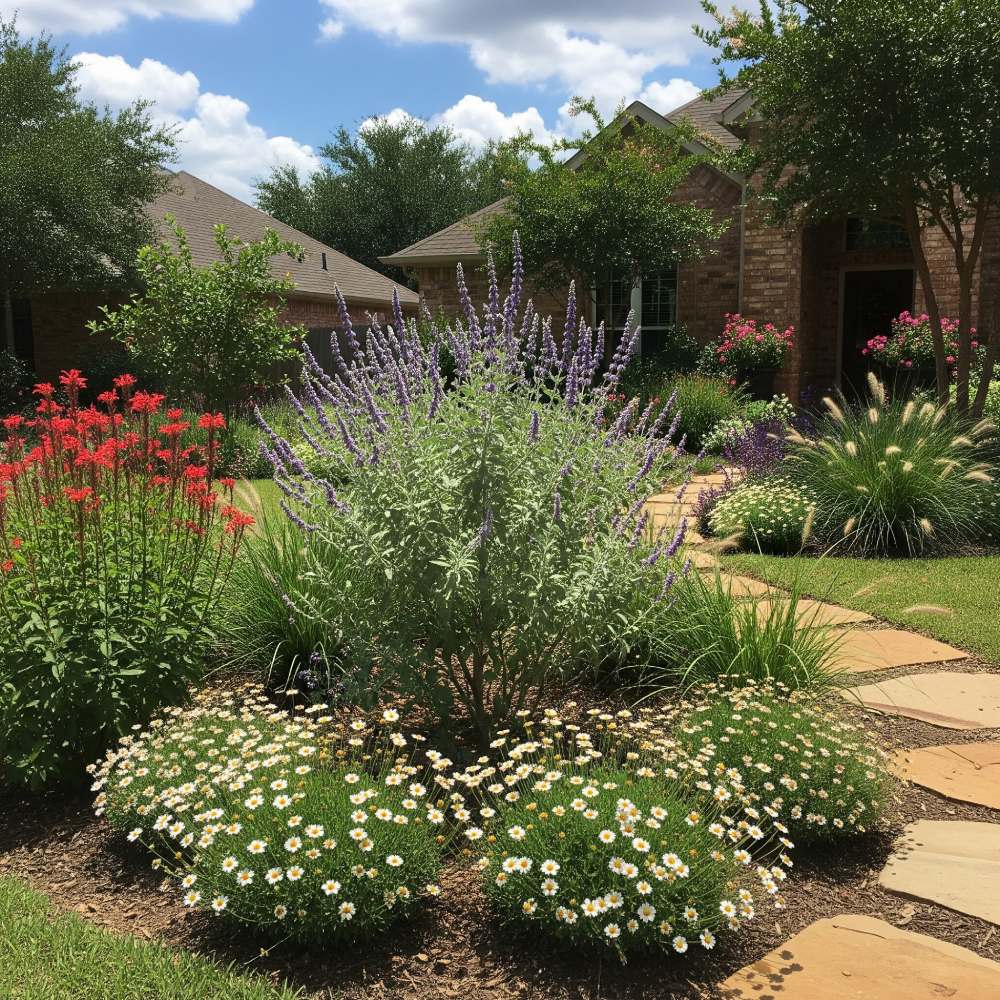
Xeriscaping isn't about barren rocks, it's a vibrant, low-water approach tailored to Austin's hot, dry climate. Replace thirsty turf with drought-resistant natives like Texas sage, blackfoot daisy, or agave, which thrive in our alkaline soils without constant watering. In Westlake Hills, where rocky Edwards Plateau terrain dominates, these plants prevent erosion on slopes while attracting pollinators like monarch butterflies, supporting local biodiversity.
For Spring 2026 prep, plant in late winter to establish roots before the heat hits. Imagine hosting a backyard gathering during the Old Settler's Music Festival (late March) amid blooming lantana and yucca, eco-friendly and effortless. GardenGOAT recommends starting with a soil test to amend clay-heavy East Austin yards with compost, improving drainage and reducing runoff that contributes to Barton Springs pollution. This upgrade can save 75% on water use, per local conservation data, making it ideal amid ongoing droughts.
2. Install Smart Irrigation Systems
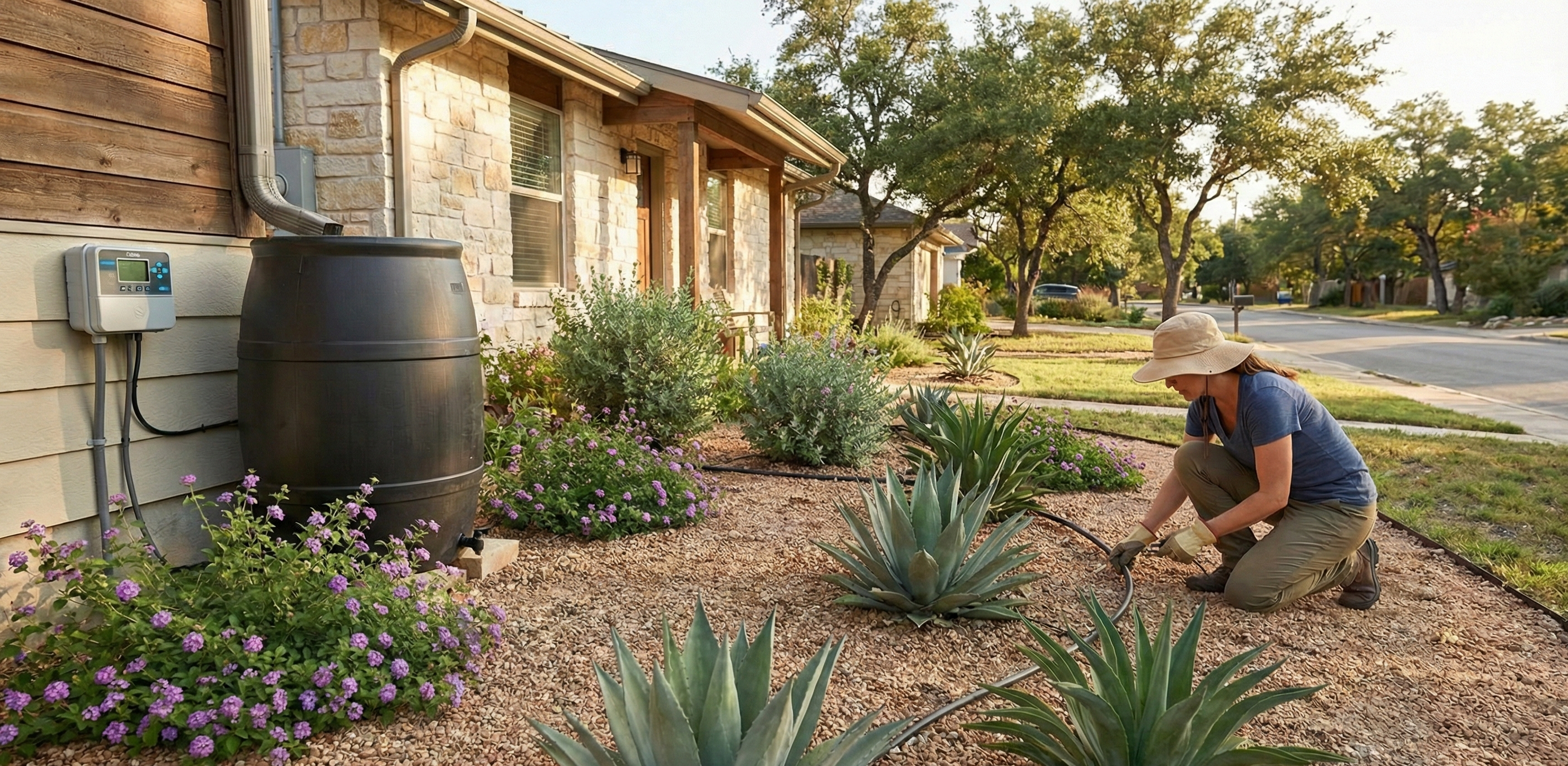
Austin's unpredictable weather, think flash floods followed by bone-dry spells demands efficient watering. Upgrade to smart irrigation with soil moisture sensors and weather-based controllers that adjust based on real-time forecasts. These systems prevent overwatering in sandy floodplain soils near Lady Bird Lake, where excess can lead to nutrient leaching.
In areas like Barton Creek, where severe drought persists, drip lines target roots directly, minimizing evaporation in our 90°F+ springs. Tie this into Austin's Grow Green program for rebates. As Spring 2026 approaches, calibrate for warmer forecasts, ensuring your yard stays green without waste. GardenGOAT has installed these in Tarrytown homes, cutting usage by 30-50% while prepping for events like the Sips & Sounds Fest (March 13-14), where outdoor entertaining shines.
3. Add Rain Gardens and Permeable Hardscapes
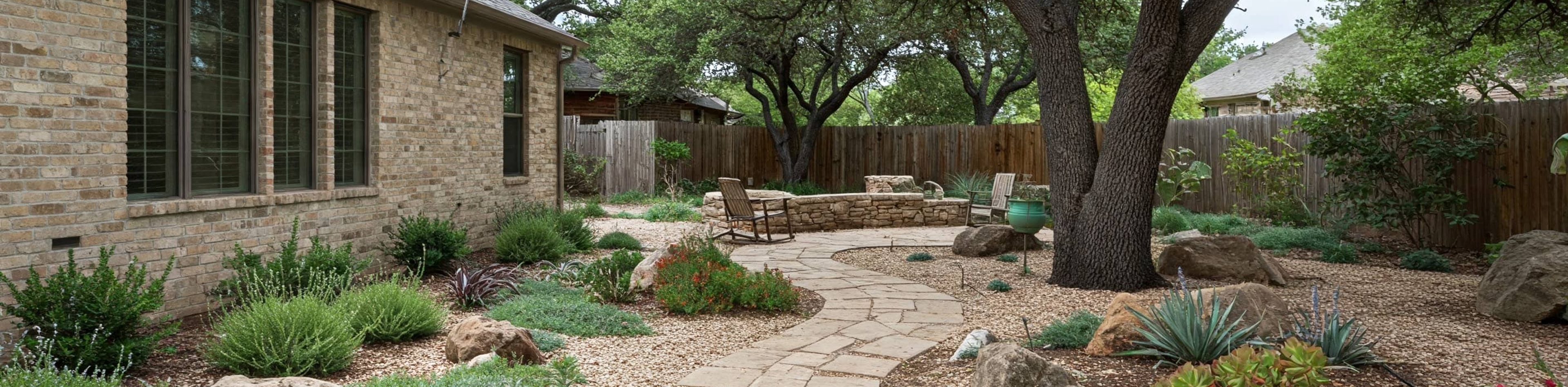
Capture precious rainfall with rain gardens, depressions planted with natives that absorb runoff. In East Austin's clay soils, they prevent flooding during rare storms while recharging aquifers strained by drought. Use permeable pavers for patios or driveways in Westlake Hills, allowing water to infiltrate rocky ground instead of pooling.
This combats soil erosion, a key issue in our hilly terrain, and filters pollutants before they reach the Colorado River. For Spring prep, install now so plants root deeply by March, ready for festivals like SXSW, when your yard could host eco-conscious gatherings. Austin's Watershed Protection Department endorses these for reducing urban heat islands, especially with 2026 outlooks predicting drier conditions. GardenGOAT designs these to blend seamlessly, enhancing aesthetics while saving on water bills.
4. Mulch and Amend Soils for Retention
Mulching is a game-changer in Austin's variable soils. Apply 2-3 inches of organic mulch like cedar or hardwood around plants to retain moisture, suppress weeds, and regulate temperatures in our scorching springs. In Blackland Prairie clays east of I-35, it prevents cracking; in Edwards Plateau rocks, it builds organic matter over time.
Amend with compost to boost nitrogen-poor soils, fostering microbial life that improves drought resilience. As we eye a potentially warm Spring 2026, this prep in January ensures your landscape withstands heat waves. Tie it to community events: A mulched yard in Lakeway could be the perfect low-maintenance backdrop for April's Austin Blues Festival vibes. GardenGOAT sources local mulch, promoting sustainability and cutting maintenance by 40%.
5. Switch to Lawn Alternatives
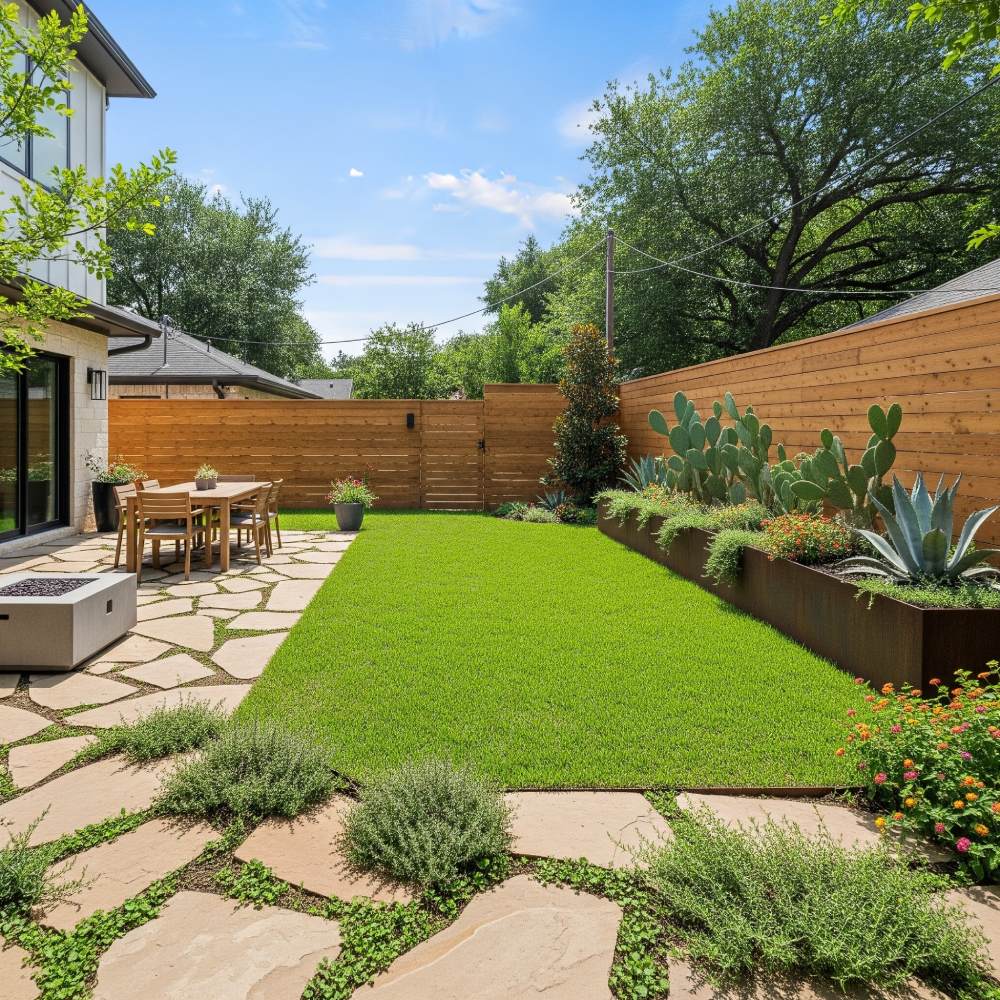
Ditch water-guzzling grass for natives like buffalo or blue grama, which go dormant in droughts but rebound quickly. In floodplain areas near Barton Creek, meadow mixes with wildflowers create pollinator havens, aligning with Austin's urban greening goals. These alternatives suit our clay and limestone soils, requiring mowing just once or twice a year.
Prepare for Spring by overseeding in winter, ensuring a lush look by March for events like the International Gem and Jewelry Show (January, but inspiring outdoor designs). In East Austin, where density is high, they reduce heat and support wildlife amid development pressures. GardenGOAT's installations have transformed yards, saving thousands of gallons annually while increasing biodiversity.
In conclusion, these upgrades aren't just practical—they embody Austin's spirit of innovation and environmental stewardship. With droughts persisting and Spring 2026 events on the horizon, investing now ensures a thriving, sustainable yard. Contact GardenGOAT today for a free consultation; let's craft a water-smart landscape that stands up to Texas weather. Your home, community, and the planet will thank you.