Landscape Designer, Landscape Architect, or Design-Build: Who Should You Hire in Austin?

Fall is when a lot of Austin homeowners finally start planning the yard they put off all summer. Then the search begins, and the job titles pile up: landscape designer, landscape architect, design-build firm, landscaper. They sound like the same thing. They are not, and in Texas one of them is a protected title.
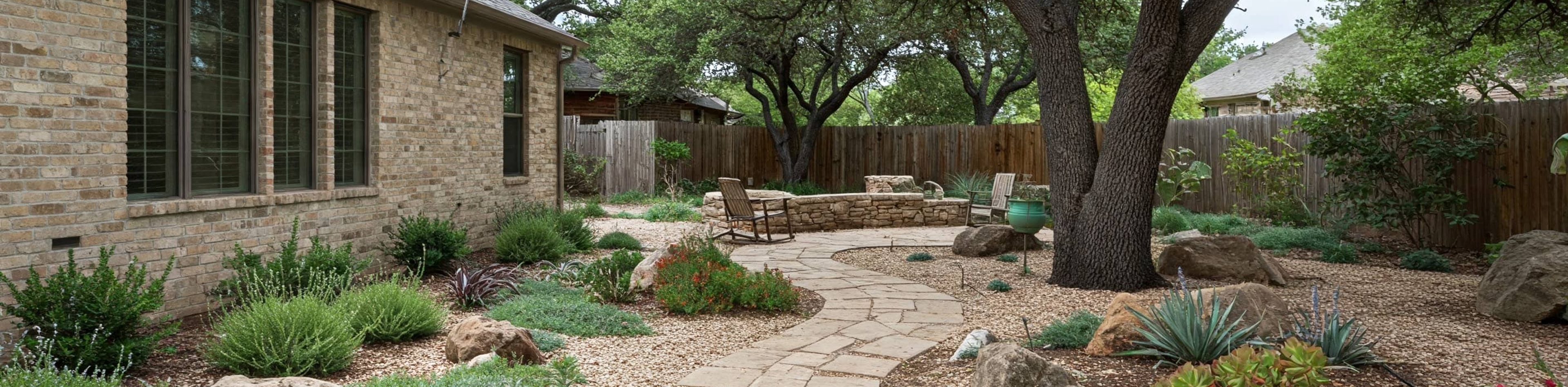
GardenGOAT is a design-build landscape company. We draw the plan, and our own crew builds it. We have also built from plans drawn by outside designers, so we see this question from both sides. Here is how to figure out who you need, what a good plan includes, and what to ask before you sign.
What is the difference between a landscape designer and a landscape architect in Texas?
The short answer is a state license. In Texas, landscape architects are registered through the Texas Board of Architectural Examiners (TBAE), which oversees the exams and registration for the profession. A landscape designer does not need a state license. Many have training in horticulture or design, and plenty do excellent residential work.
Texas law spells this out. Under Texas Occupations Code Section 1052.003, landscape designers and landscape contractors can plan landscapes without registration, and so can anyone making plans for a single-family home. What they cannot do is call themselves a "landscape architect." Only registered professionals can use that title.
Here is how the three options usually break down:
- Landscape architect: State-registered. Often focused on larger or more technical sites. Many design only and hand the plan to a contractor to build.
- Landscape designer: No state license required. Mostly residential. Some work solo, some inside a build company.
- Design-build firm: One company designs the yard and builds it, with one point of contact throughout.
The title tells you about licensing. It does not tell you who will design the better backyard for your lot.
Do you need a landscape architect for a home project in Austin?
Usually not. For a typical single-family yard, Texas law does not require one. A registered landscape architect makes the most sense when a project looks more like site development than a backyard, such as a large estate with major grading, or a commercial site.
On home projects, the specialist you are more likely to need is an engineer. In Austin, a retaining wall more than 4 feet tall, measured from the bottom of the footing to the top of the wall, is not on the City's list of work exempt from building permits. Neither is a shorter wall that holds back a surcharge, like a driveway above it. When a wall needs engineering, we bring in a licensed engineer, and our crew builds to that design.
Our retaining wall guide covers the details, and our stone borders and retaining walls page shows our work. For most Austin homeowners, the real choice is design-only or design-build.
What does a design-build landscape company actually do?
A design-build company takes your project from first conversation to finished yard. With us, it works like this:
- Site visit. We measure the yard and check soil, drainage, existing trees, and sun and shade.
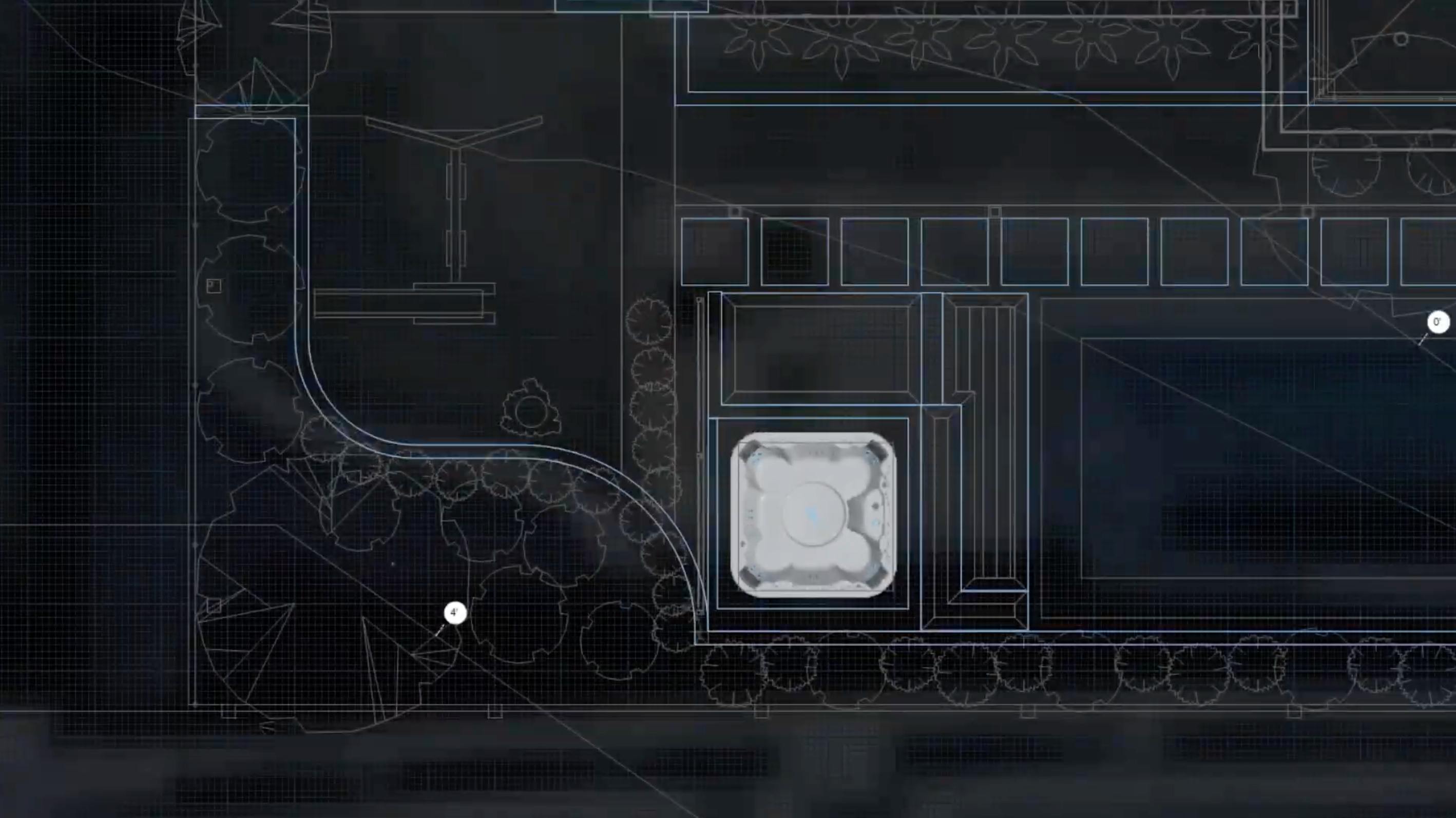
- Design. We draw 2D plans and 3D renderings so you can see the yard before we break ground.
- Revisions and pricing. We adjust the plan with you and price the build from that same plan.
- Build. Our crew installs the hardscape, planting, irrigation, and lighting.
The upside is fewer handoffs. The person drawing your patio knows what it takes to dig into limestone, and the price comes from the plan you approved, not a guess.
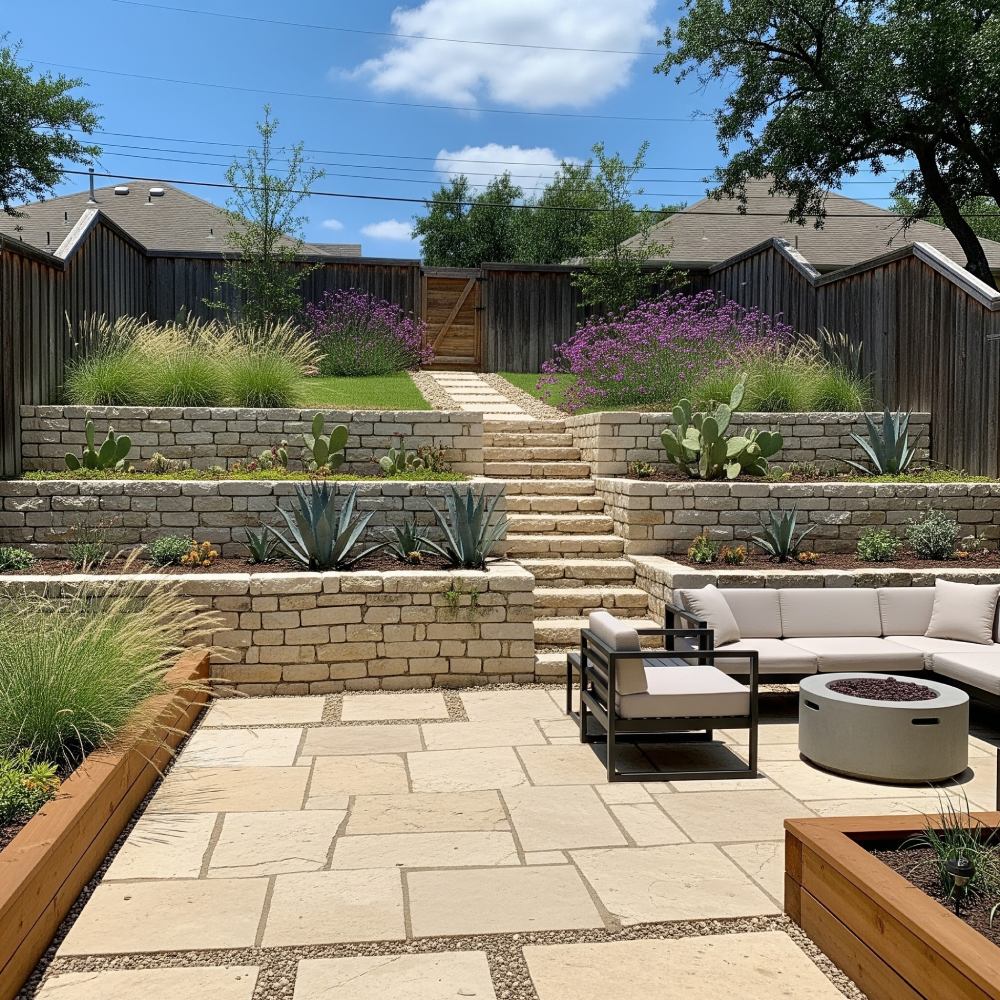
The trade-off is worth saying out loud: with one company designing and building, you are not collecting competing bids on the same drawing. If that matters to you, hiring a design-only professional and then bidding the plan out is a fair route. We have been on that side too. On our Gem project, we built a steep backyard from 2D plans and 3D renderings drawn by an independent design studio. The build included a masonry bench and planter wall that doubles as a retaining wall, a flagstone patio, a custom deck, artificial turf, drip irrigation, and shade sails.
Is it worth paying for a landscape design in Austin?
For anything bigger than a small planting refresh, yes. Austin yards punish guesswork, and a lot of the repair work we get called for started as a layout choice nobody drew out first. A plan catches problems like these on paper:
- Water running toward the house. The International Residential Code calls for the ground to drop at least 6 inches in the first 10 feet away from a foundation. A new patio or raised bed built against the house can flatten that slope. A plan shows the grades before anything gets poured.
- Construction in a tree's root zone. On residential property, Austin regulates trees 19 inches in diameter and larger. Digging or grading in a regulated tree's critical root zone can require a Tree Ordinance Review Application, even if the tree stays.
- Plants that outgrow their spot. A shrub that looks right in a nursery pot can swallow a walkway in a few seasons. A good planting plan uses mature sizes.
- Paying twice. If you plan to build in stages, a full-yard plan keeps the first stage from blocking the next. Our phased renovation guide walks through that.
A design costs money up front. Tearing out a patio that drains the wrong way costs more.
What should a landscape design plan include for an Austin yard?
A real plan is more than a pretty picture. For an Austin property, ask for:
- Measured site plan: Property lines, the house, existing trees, slopes, and any utilities you know about.
- Grading and drainage: Where water goes in a hard rain, including any French drains, swales, or other drainage systems.
- Tree protection: Big trees marked, along with the ground around them that work should avoid.
- Hardscape layout: Sizes and materials for patios, walks, steps, and walls.
- Planting plan: Plant names, sizes, and spacing, picked for our heat, clay or rocky soil, and long dry spells.
- Irrigation plan: Separate zones for drip beds and any lawn. In Texas, designing or installing irrigation for hire generally requires a TCEQ irrigator license. Homeowners working on their own home are exempt. See our sprinkler and drip irrigation work.
- Lighting and power routes: So wire and conduit go in before the paving does.
- Phasing: What gets built first if you are not doing it all at once.
If you want Austin Water's WaterWise Landscaping rebate, plan for it before any work starts. According to the City's rebate FAQs, work started before Austin Water approves it will not qualify, the application needs a landscaping plan that shows plant coverage, and artificial turf is not eligible.
How much does landscape design cost in Austin?
It depends on the size of the yard and how much detail you need. Design fees usually follow one of three setups:
- Flat-fee design packages, priced by yard size and complexity. These are common with design-build firms.
- Hourly consulting, for a site walk and advice without a full set of drawings.
- Full design and construction documents, often from a landscape architect on larger or more technical sites, usually priced as a project fee.
A few things push a design fee up: a large or steep lot, 3D renderings, survey or engineering work, HOA submittals, and extra rounds of revisions.
Some design-build firms credit the design fee toward the build if you hire them for it. We do. Our current design packages are listed on our landscape design services page, and the fee is credited when you move forward with us.
When you budget, remember the design is a small slice of the total. The build is where most of the money goes, and a measured plan is what lets anyone price it honestly. Be wary of a build price offered before anyone measures your yard.
Who handles permits, HOA review, and engineering on a landscape project?
Ask this before you sign. The rules change from one part of the Austin area to the next:
- City of Austin: Concrete flatwork like a patio or walk outside the public right-of-way is on the City's exempt list. Exempt work still has to meet City codes, including zoning limits on impervious cover. Taller or loaded retaining walls are not.
- Other cities: West Lake Hills writes its own rules. The city's construction checklist counts pavers, decking, and even crushed gravel and granite as impervious cover, and it keeps patios, retaining walls, pergolas, and arbors out of the setbacks. Round Rock, Cedar Park, and other nearby cities set their own requirements too.
- HOAs: In Circle C Ranch, the HOA's Architectural Control Committee reviews walls, decks, arbors, hardscape, and big front-yard changes, and it has 30 days to review plans. Trees, shrubs, and flowers do not need approval there.
A good designer builds these rules into the plan instead of finding them at the permit counter. We work with HOA committees around Austin regularly, and our renderings double as submittals. Whoever you hire, get in writing who handles submittals, permits, and engineering.
What should you ask before you hire a landscape designer in Austin?
Bring these questions to every first meeting, including ours:
- Who will draw my plan, and what is their training? If someone uses the title landscape architect, you can verify their registration on the TBAE website.
- Can I see finished projects like mine, not just renderings?
- Who builds it, and is the build price based on this plan?
- Is the design fee credited if you build it? Can I take the plan to another builder if I don't?
- Who on my project holds the TCEQ irrigator license?
- Who handles permits, HOA submittals, and any engineering?
- How long will design and construction take, and what happens if you find a problem underground?
Good answers are specific. Vague ones are a warning sign. Our portfolio shows finished yards, not just drawings.
Ready to start your Austin landscape design?
Fall is a good time to start. Texas A&M AgriLife Extension calls fall an ideal time to plant in South Central Texas because of cooler nights and better rain chances. Start the plan now, and the tree and shrub planting can go in while the weather is still cool. We suggest reaching out two to three months before you want a crew on site.
Contact GardenGOAT with a few photos, a rough wish list, and the budget range you have in mind. We will walk your yard, measure it, and show you a plan in 2D and 3D before anything gets built.