How Much Does Tree Removal Cost in Austin, and What Happens to the Stump?

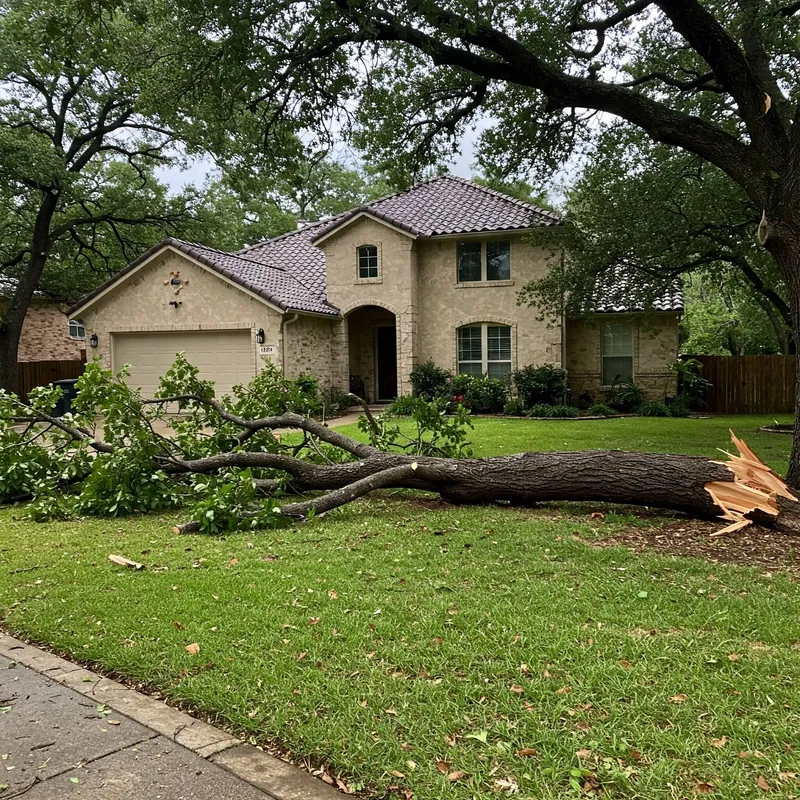
Most tree removal calls we get start one of three ways. A storm drops a limb or a whole trunk across the yard. A tree that struggled through the summer never leafs back out. Or a tree stands right where a new patio or addition needs to go. Then come the same two questions: what will it cost, and what happens to the stump?
We remove trees and grind stumps across the Austin area, often as one part of a bigger yard project. Our tree trimming and removal page covers the service itself. Here is how we price a removal, which City rules apply, what insurance covers, and what to do with the spot afterward.
How much does tree removal cost in Austin?
It depends on the tree, and even more on what is around it. A 15-foot crape myrtle in an open front yard and a 60-foot pecan leaning over a roof are very different jobs. That is why we don't quote flat prices over the phone.
Our tree removal page lists the price ranges we work in. We price each tree after we see it, and every estimate is free and itemized. A clear removal quote lists these on separate lines:
- The takedown. Cutting the tree and lowering it safely.
- Stump grinding. Priced per stump, so you can say yes or no.
- Haul-off. Logs, brush, and chips leaving your property, or staying if you want the wood.
- Permit work. The City paperwork, if the tree is regulated.
If one quote comes in far below the others, check which of those lines it leaves out. Haul-off and stump grinding are the usual gaps.
Why does one tree cost so much more to remove than another?
Four things move the price most.
Size and trunks
A tall tree with a wide canopy means more cuts, more climbing, and more wood to move. Extra trunks add cuts too. We see a lot of those on Ashe juniper, the tree most of Austin calls cedar.
What sits underneath
A tree that can fall in one piece into open lawn comes down fast. When a roof, fence, pool, or power line sits below, the crew takes it down in sections and lowers each piece on ropes. That slow, careful work is most of what you pay for on a hard removal. Near power lines, the utility has to be part of the plan.
Access, slopes, and cranes
In Bouldin Creek, small lots and close neighbors often mean every log leaves through a side gate by hand. In Travis Heights, steep lots and old limestone walls make it hard to set equipment down. Sometimes a crane that lifts sections over the house is the safer, faster choice. It adds a line to the quote, but it can shorten the job.
The wood
Big oak and pecan trunks are heavy, so they take longer to cut up and haul. Keeping healthy wood for firewood means less to haul away.
Do you still need a City permit to remove a dead or storm-damaged tree?
Often, yes, and it catches a lot of people. Inside Austin, a tree 19 inches or more in diameter on a house lot is regulated, and the City says that holds even if the tree is dead, diseased, or a danger. Smaller trees are not regulated on residential lots. Our guide to trimming trees in Austin explains how to measure a trunk and how heritage trees differ.
For a regulated tree that is dead or sick but not about to fall, file a Tree Ordinance Review Application and pick the dead, diseased, or imminent hazard option. Include each trunk diameter, a sketch of the work, and a photo of the tree from root to canopy. If the tree qualifies, the City waives the fee.
For a tree that is an immediate danger, like a split trunk hanging over the house, the City's emergency permit guidance lets you act first. Photograph the tree and record its trunk size before work starts. Then submit the permit request within seven days of the removal.
The City's tree rules don't apply in the unincorporated areas outside its limits, and nearby cities set their own. Lakeway, for one, bans oak pruning from February through June. We check the rules for your address and handle the paperwork.
What should you do when a storm drops a tree in your yard?
Start with safety, then photos, then the saw.
- Stay away from any wire the tree touches. Treat every line as live, and report it to Austin Energy or your electric provider.
- Take photos before anything moves. Get the whole tree, the trunk, and any damage. Your insurer will want them, and so will the City if the tree is regulated.
- Make it safe first. On storm calls, we clear the roof, the driveway, and the doors first. A cracked trunk or a broken limb hung up in the canopy can be more dangerous than the part already on the ground.
- Finish when the ground dries. Heavy equipment on soaked clay leaves deep ruts. Stump grinding and final cleanup can usually wait a few days.
If the storm hit an oak, paint fresh cleanup cuts right away (more on that below).
Will homeowners insurance pay to remove a fallen tree?
Sometimes, and usually only part of it. The Texas Department of Insurance says many policies pay some of the cost to remove trees or limbs that a storm knocked onto your house or across your driveway. Trees that fall in the yard and hit nothing usually aren't covered.
What about a neighbor's tree? TDI says their policy probably won't pay unless your neighbor was somehow at fault, since a storm is an act of nature. You can file under your own policy instead.
Some policies also cap what they pay for tree removal, so check yours or call your agent. To help with a claim, we give you an itemized invoice and photos. We can't promise what an insurer will pay, and you should be wary of any company that does.
Should you grind the stump or pull it out?
For most yards, grind it. Here is how the options compare:
- Grinding. A grinder chews the stump into chips 4 to 6 inches below the surface. The big roots stay in the ground and rot slowly. This is the right call for most lawns and beds.
- Full removal. Digging out the stump and main roots leaves a big hole and costs more. It makes sense when a footing or slab is going in right there.
- Leaving it. Free up front, but a stump trips mowers, blocks later projects, and some trees sprout from the stump or roots.
Cedar usually doesn't come back
Ashe juniper does not resprout from a cut stump. Texas A&M AgriLife's brush guides note that you don't need to spray Ashe juniper stumps to kill them. On cedar clearing jobs, grinding is about clearing the space, not killing the tree.
Oaks need paint
Texas A&M Forest Service says to paint all wounds and fresh stumps on oaks, in any season, to help keep oak wilt from spreading. It also warns never to store unseasoned wood from infected oaks near healthy oaks. If we suspect oak wilt, we say so and recommend an arborist confirm it before the wood goes anywhere.
Before any grinder touches the ground, we call Texas 811 to get buried lines marked. It's free, and utilities have about two business days to respond.
How much does stump grinding cost in Austin?
Stump grinding is priced mostly by how wide the stump is. Then these adjust it:
- How many stumps. Several in one visit cost less each than separate trips.
- Surface roots. Big roots running across the lawn may need grinding too.
- Access. The grinder has to fit through your gate. A narrow side yard can mean a smaller, slower machine.
- Rock. On hilly lots in places like Steiner Ranch, a stump often sits right on limestone. A grinder can't cut rock, so we may not reach full depth. We tell you before we start if that is likely.
- Cleanup. A big stump leaves a pile of chips and soil. Hauling it off is its own line.
Grinding during the removal almost always costs less than a second trip. We also grind old stumps on their own.
What can you put where the tree used to be?
A ground stump leaves a soft spot full of wood chips, in a yard that just lost its shade.
Fill the hole right
Rake out as many chips as you can. Mixed into the soil, grindings throw off its structure and nutrient balance, which makes it hard for new grass or plants to take. Backfill with soil, tamp it, and plan to top it off. As the old roots rot, the spot sinks, and in clay a low spot holds water.
Grass or a new tree
Once the hole is filled and settled, new sod can go right over it. Keep in mind that a spot that sat in shade for decades is now in full sun, so the grass that fits may change. For a new tree, don't reuse the hole. Iowa State extension guidance says to plant at least 3 feet away, and 6 to 8 feet is better. Texas A&M AgriLife's Travis County office calls fall the very best time to plant trees, so a fall or winter removal lines up well with planting a replacement.
Something new
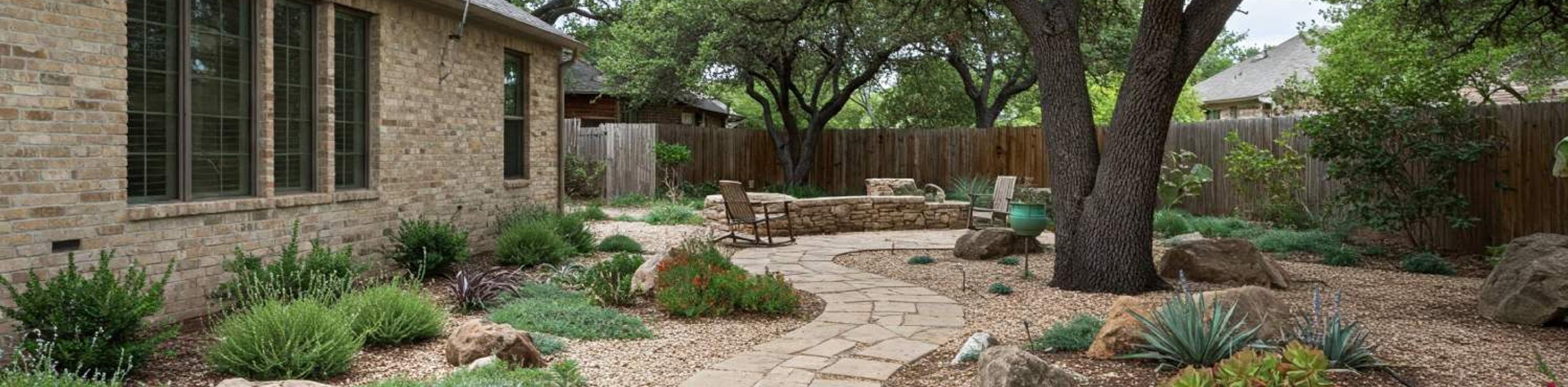
An open spot can also start a patio, a planting bed, or a play area. If a bigger change is coming, take the tree out first. Our post on phasing a backyard renovation covers that order of work.
How can you lower the cost of removing a tree?
A few choices make a real difference:
- Ask whether a trim will do. A dead limb or a branch over the roof can often be pruned instead, and on most trees a trim costs less than a removal.
- Do several trees in one visit. The crew and equipment only come once.
- Keep the wood. Ask the crew to cut healthy logs to firewood length and leave them.
- Use City brush pickup for small stuff. Austin Resource Recovery customers can schedule up to three brush collections a year. Check the City's size rules before you stack it.
- Compare itemized quotes. Ask each company for proof of liability insurance. A low quote from an uninsured crew is no bargain if someone gets hurt or the roof gets hit.
What about timing? We can't promise winter is cheaper. But the months before February are a safer time to cut oaks than spring, and they line up with tree planting season.
Ready to get a tree removal quote in Austin?
If a tree needs to come down, contact GardenGOAT for a free, itemized estimate. We'll tell you whether it needs a City permit, list stump grinding on its own line, and help you plan what goes in the spot next.